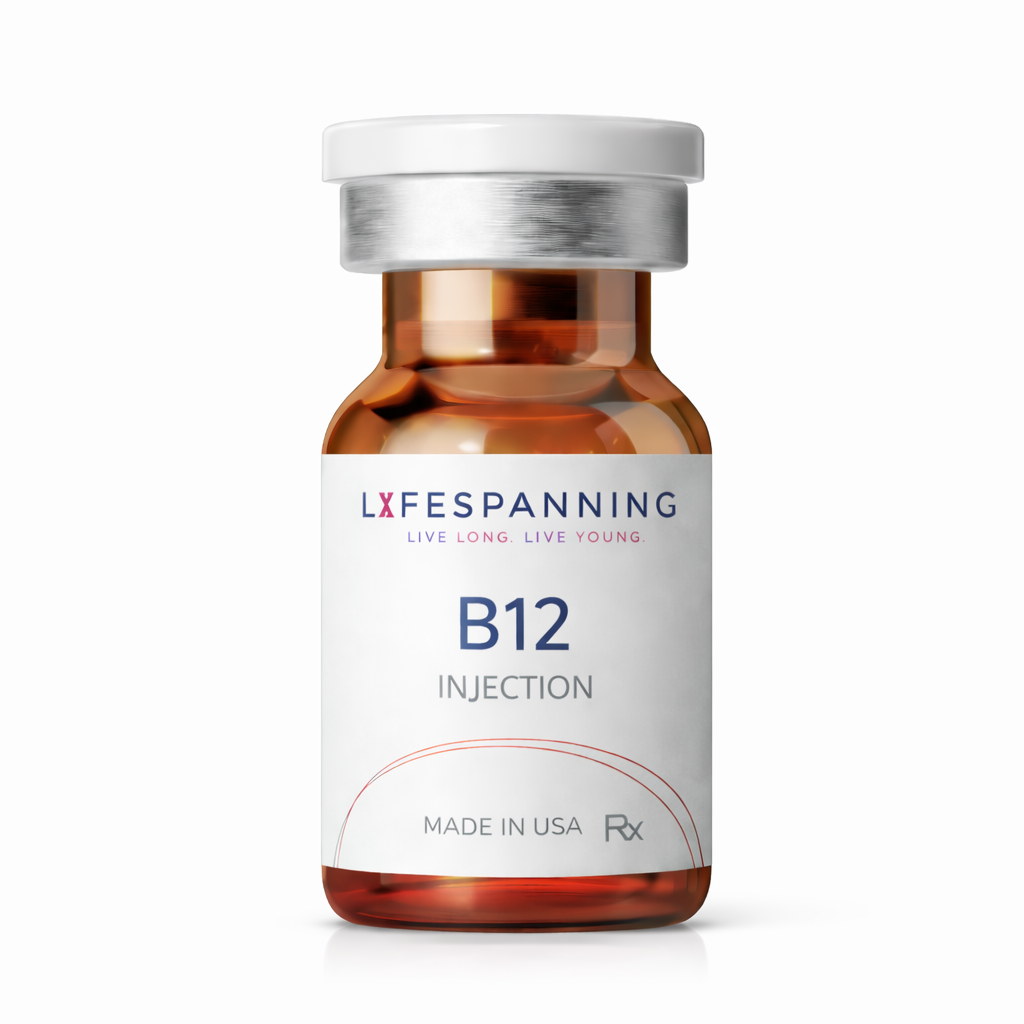
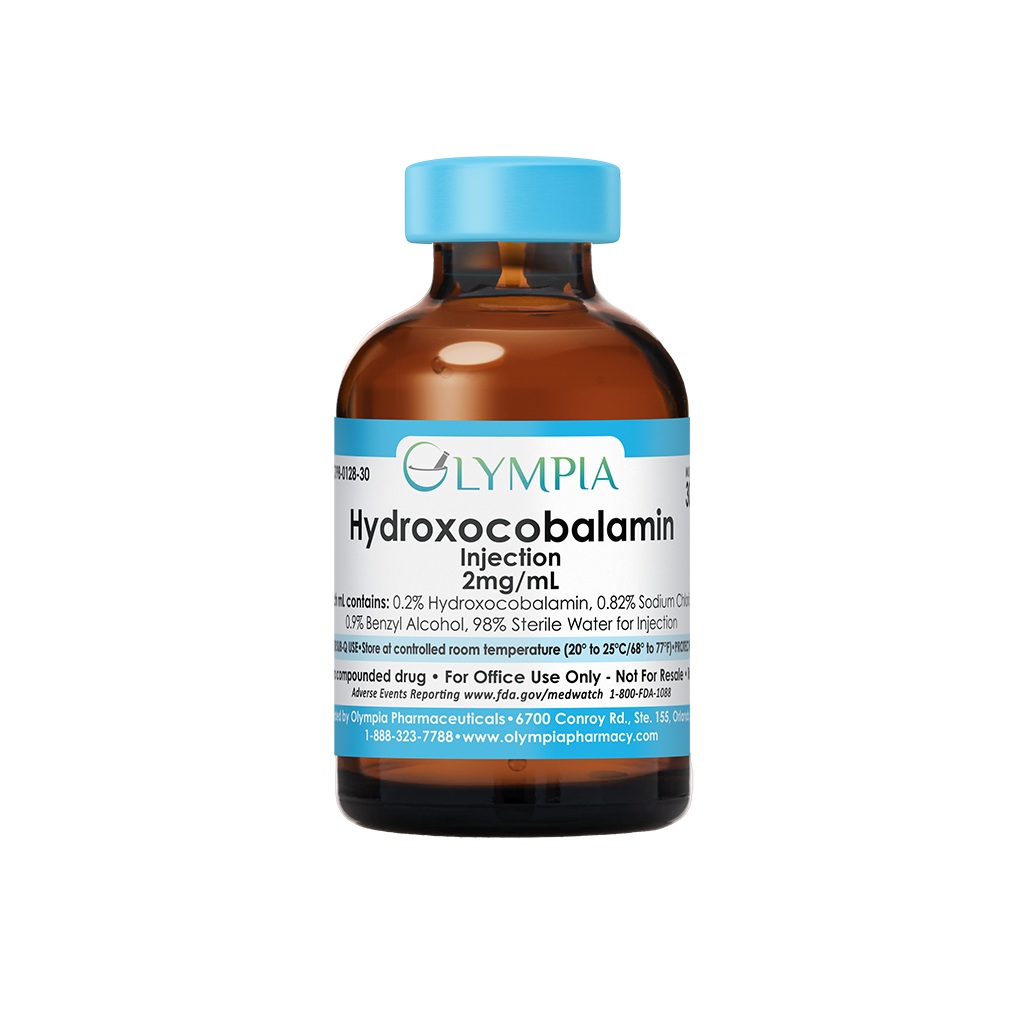
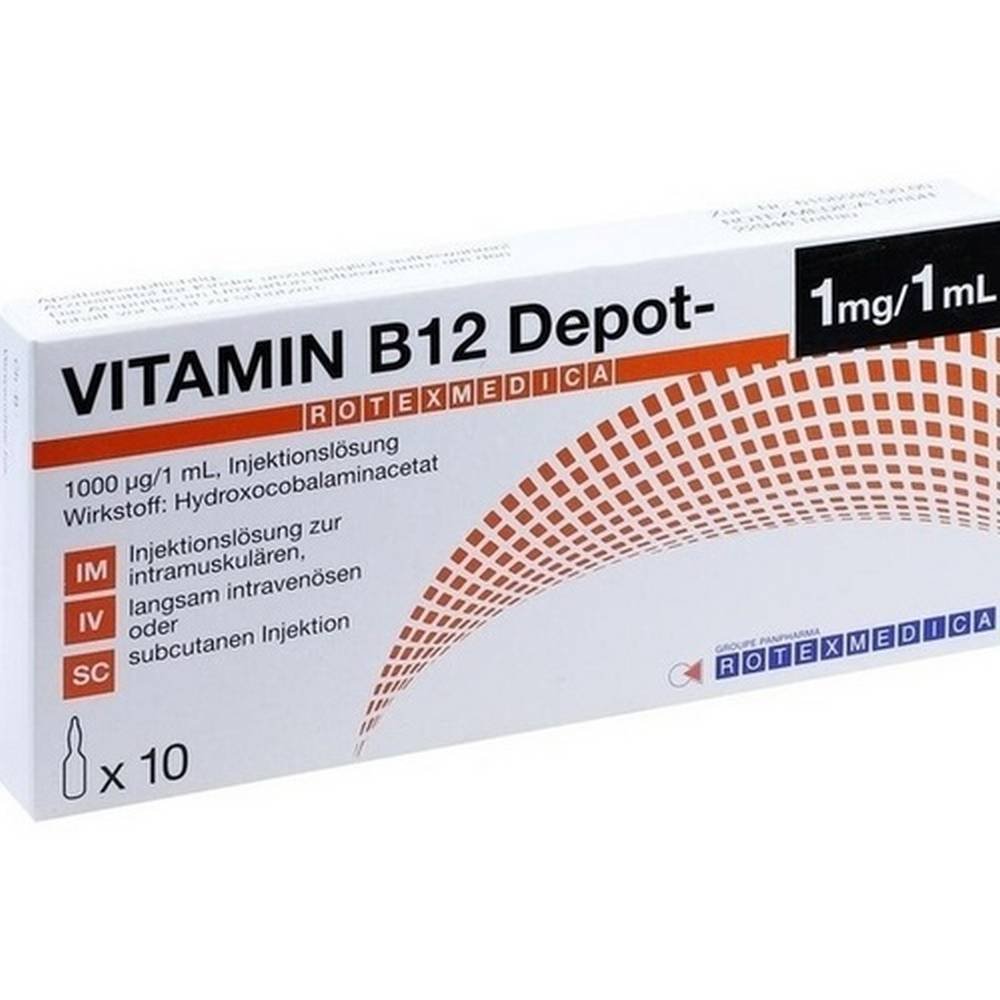
B12 injections tend to be most useful for: Patients on GLP-1 medications (semaglutide, tirzepatide) who feel fatigue in early weeks Patients with low energy, brain fog, or mood symptoms Vegetarians or vegans (plant foods don't contain B12) Adults over 50 (B12 absorption drops with age) Patients who've had digestive surgeries (bariatric, gallbladder) that affect absorption They're generally safe B12 is water-soluble, so your body excretes what it doesn't use
Vitamin B12 acts as an energizer while boosting your metabolism and releasing anti-stress elements throughout the body
Others who might be prescribed B12 shots are those at the highest risk for a B12 deficiency, including: Vegans, since vitamin B12 is found only in animal products People ages 60 and up since their bodies don't absorb B12 as efficiently People with Crohn's disease or pancreatic disease, since they prevent nutrient absorption People who had weight-loss surgery, which decreases B12 absorption People with an eating disorder People with HIV People with diabetes Since a mild B12 deficiency might not cause symptoms, it can go undetected for years since levels are not checked during routine blood work
Research facilities benefit from shorter transit times, consistent packaging standards, and reduced customs complexity